
Navigating the Realm of Angel Investors: a Startup Founder’s Guide
In the ever-evolving landscape of startups and entrepreneurial ventures, securing the proper financial backing is akin to finding the keystone in an arch; it's crucial for stability and growth. The journey to find angel investors can often feel like navigating through a labyrinth, with various paths...

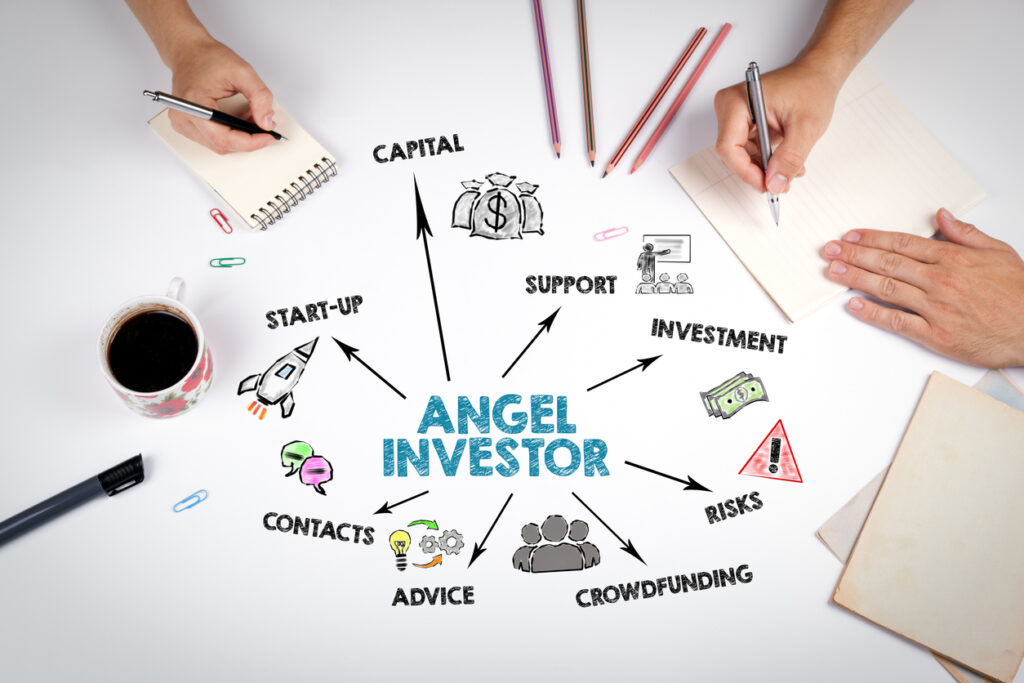
Angel investors are wealthy individuals who provide capital to early-stage startups in exchange for equity ownership. Beyond funding, they offer mentorship, industry connections, and expertise. Success requires strategic networking through pitch events, accelerators, online platforms, and warm introductions from your existing network.
Finding angel investors isn't about luck—it's about strategy, preparation, and knowing where to look. I've spent 27 years connecting founders with investors, and I can tell you this: the right angel brings more than money. They bring expertise, connections, and credibility that can make or break your company.
Back in 1997, when I started Angel Investors Network, the landscape looked completely different. Founders had few options between bootstrapping and traditional bank loans. Angel investors filled a critical gap—and they still do today.
I've watched thousands of pitches. Funded hundreds of companies. And I can tell you: most founders approach this wrong.
They think finding angel investors is about perfecting a pitch deck or networking at the right events. Those things matter. But what really matters? Understanding what angels actually want and positioning your startup to deliver it.
What Exactly Are Angel Investors?
Why Angels Invest Their Own Money
Angel investors are high-net-worth individuals who invest personal capital into early-stage startups. According to the Angel Capital Association (2023), these investors typically provide $25,000 to $500,000 per deal, though some write much larger checks.
Here's what makes them different from other funding sources.
They're using their own money. Not institutional funds. Not limited partner capital. Their own bank accounts. That changes everything about how they evaluate deals and what they bring to the table beyond cash.
What Drives Someone to Become an Angel?
I ask every investor who joins our network: "Why do you do this?" The answers surprise most founders.
Yes, they want returns. But the best angels? They're driven by something else. They want to give back. They want the thrill of building something from scratch again. They miss being in the trenches.
According to research from Harvard Business School (2022), successful angels often invest in industries where they've built expertise. They're not just writing checks—they're reliving their entrepreneurial journey through yours.
This matters more than you think. When you understand their motivations, you can position your startup as more than an investment opportunity. You can offer them a chance to be part of something meaningful.
How Do Angels Differ from VCs?
Founders constantly confuse these two. Let me clear this up.
Venture capitalists manage other people's money. They have fiduciary responsibilities to limited partners. They need to deploy large amounts of capital efficiently. They typically invest $2 million to $10 million or more, according to National Venture Capital Association (2023).
Angels invest their own wealth. They can move faster. Take more risks. Invest smaller amounts. And here's the kicker—they often provide more hands-on support because they have time and personal stake in your success.
VCs need your company to return their entire fund. Angels just need you to succeed on your own terms. That changes the entire dynamic of the relationship.
Why Angel Networks Change the Game
Individual angels are powerful. But angel networks? They're transformative.
I built Angel Investors Network specifically to solve a problem I saw: great companies couldn't find investors, and great investors couldn't find quality deal flow. Networks solve both problems simultaneously.
When you connect with a network like ours at Angel Investors Network, you're not pitching one person. You're accessing a curated group of accredited investors who actively look for opportunities like yours. The due diligence happens faster. The funding comes together quicker. The collective expertise multiplies.
According to the U.S. Small Business Administration (2023), startups that raise from angel groups have higher success rates than those funding from individual angels. The data backs up what I've seen firsthand for nearly three decades.
Do Real Estate Startups Attract Angel Investment?

What Makes Real Estate Deals Different
Real estate startups present unique opportunities. I've funded several myself over the years.
Traditional real estate investing means buying property, collecting rent, hoping for appreciation. Real estate startups? They're disrupting how the industry operates. PropTech. Property management platforms. Real estate financing innovations. Market analysis tools.
Angels interested in real estate look for technology-driven solutions to old problems. How can you make transactions faster? More transparent? Less expensive? If you can answer those questions, you'll find interested investors.
How Should You Position a Real Estate Startup?
Don't pitch real estate angels the same way you'd pitch tech investors. The evaluation criteria differ.
Real estate investors want to see tangible assets. Proven market demand. Clear path to revenue. According to National Association of Realtors (2023), PropTech investments have grown 47% year-over-year, but investors remain cautious about business models without proven traction.
Show them pilot programs. Case studies. Letters of intent from property management companies or brokerages. Real estate angels have been burned by too many "Uber for real estate" pitches. Give them substance.
Where Do Real Estate Angels Congregate?
You won't find many real estate angels at typical startup events. They attend industry-specific conferences.
Real estate investment associations. Property management trade shows. Commercial real estate forums. That's where you need to be if you're building a real estate startup.
I've also seen success with specialized angel groups focused on real estate innovation. These groups understand the sector's nuances and can move faster than generalist investors who need to learn the industry from scratch.
Why Early-Stage Real Estate Funding Matters
Real estate startups often need capital for different reasons than SaaS companies. You might need funding to develop technology, yes. But you might also need it for pilot projects. Initial property acquisitions. Proof of concept developments.
Angel funding provides the credibility you need for larger institutional investors down the road. When a respected angel backs your real estate startup, traditional real estate investors and venture firms take notice.
For more insights on scaling real estate ventures, check out this conversation I had: From Chaos to Control: Scaling Your Real Estate Business Using the Atlas Method with Jeff Barnes.
How Do You Prepare to Attract Angel Investors?
What Makes a Business Plan Actually Work?
I've read thousands of business plans. Most are terrible.
They're either too vague ("We're going to disrupt the industry!") or too detailed (87 pages of market analysis no one will read). The best business plans strike a balance.
Your plan should answer five questions clearly: What problem exists? How do you solve it? Who pays you? How big is the opportunity? Why you?
According to SCORE (2023), startups with written business plans are 2.5 times more likely to secure funding. But here's what they don't tell you: the plan matters less than the thinking behind it.
Angels invest in founders who deeply understand their market. Who've talked to customers. Who know their competition cold. Who've thought through the hard questions. Your business plan is evidence of that thinking—not a substitute for it.
Why Team Matters More Than Ideas
I've said this a thousand times: I'd rather fund an A-team with a B-idea than a B-team with an A-idea.
Ideas are cheap. Execution is everything. And execution comes down to people.
Show me a team that's worked together before. That has complementary skills. That's already overcome challenges. That's what gets me excited. That's what gets checks written.
Your business model matters too. Can you scale? What are your unit economics? How do you acquire customers? These aren't theoretical questions. We need real answers based on real data—even if it's limited early-stage data.
What Legal Issues Trip Up Founders?
Legal compliance isn't sexy. But it's essential.
Understanding accredited investor requirements is critical. According to SEC regulations (2023), accredited investors must meet specific income or net worth thresholds. You need to verify this before accepting investments.
Get your corporate structure right from the start. Delaware C-Corp is standard for venture-backed companies. Use proper investor agreements. Don't try to save money by cutting corners on legal work. I've seen too many companies create problems that cost 10x more to fix later.
Work with a lawyer who specializes in startup financing. They've seen every scenario and can protect you from common mistakes. Consider it an investment, not an expense.
How Do You Actually Engage Angel Investors?
What Makes a Pitch Stand Out?
Your pitch isn't a presentation. It's a conversation starter.
I've sat through thousands of pitches at Angel Investors Network events. The memorable ones share common elements. They tell a story. They identify a real pain point. They show—not just tell—how the solution works. They're honest about risks.
Here's what doesn't work: Reading slides. Using jargon. Making unrealistic projections. Comparing yourself to successful companies ("We're the Airbnb of dog walking"). Failing to know your numbers cold.
Keep it simple. Ten slides. Ten minutes. Leave time for questions—that's where the real conversation happens.
Your pitch should cover: problem, solution, market size, business model, traction, team, competition, financials, funding ask, and use of funds. Nothing more. Nothing less.
How Do You Build Real Investor Relationships?
Here's a secret most founders miss: the real work happens before the pitch.
I don't invest in strangers. Neither do most angels I know. We invest in people we've gotten to know. People we trust. People who've demonstrated competence and character over time.
Start building relationships months before you need capital. Attend industry events. Engage on LinkedIn. Ask for advice, not money. Share your progress. Be helpful to others in the community.
When you eventually pitch, it won't be cold. It'll be a natural progression of an existing relationship. That changes everything.
I funded one company last year specifically because I'd watched the founder for 18 months. Saw how he handled setbacks. Noticed how he incorporated feedback. Observed how he treated people. By the time he asked for investment, it was an easy yes.
What Happens During Due Diligence?
Every investor's process differs. Some move fast. Others take months.
Be prepared to provide detailed information. Financial statements. Customer contracts. Cap table. Employment agreements. Intellectual property documentation. Product roadmap. Marketing metrics.
Organize everything in a clean data room before you start fundraising. It signals professionalism and speeds up the process.
Use this time to evaluate investors too. Are they asking smart questions? Do they understand your business? Will they be helpful board members? Do their timelines match yours? You can learn more about preparing for investment at our resource center.
Don't be afraid to walk away from bad deals. The wrong investor can hurt more than no investor. Trust your instincts.
What Happens After You Get Funded?

How Do You Keep Investors Happy and Engaged?
Getting the check is just the beginning. Now the real work starts.
Communicate regularly. I recommend monthly updates to investors. Share wins. Acknowledge challenges. Ask for specific help when you need it.
The founders I stay most engaged with? They treat me like a partner, not an ATM. They leverage my network. They ask for introductions. They want feedback on strategy. They make me feel like part of the team.
Bad news doesn't scare experienced angels. We've seen it all. What scares us? Founders who go silent when problems arise. Transparency builds trust. Use it.
How Do You Prepare for the Next Funding Round?
Angel funding typically gets you 12-18 months of runway. Use it wisely.
Focus on milestones that make you attractive for the next round. Product-market fit. Revenue growth. User acquisition. Team building. According to Crunchbase (2023), companies that hit their milestones raise Series A at 3x higher valuations.
Start conversations with VCs early. Six months before you need money, not six weeks. Build relationships the same way you did with angels.
Your angel investors can help here. We know VCs. We make introductions. We vouch for founders we believe in. Leverage those relationships. That's part of what you're paying for with our equity.
The transition from angel to institutional funding is challenging. Your angels have been through it. Use their experience. We want you to succeed—your success is our success.
Common Questions About Finding Angel Investors
How much do angels typically invest in early-stage companies?
Most angel investments range from $25,000 to $500,000. The exact amount depends on your valuation, capital needs, and the investor's interest level. Some angels invest less. Some invest millions. But that $25K-$500K range covers most deals I see.
What does the Angel Capital Association actually do?
The Angel Capital Association supports professional angel investing through education, research, and networking. They provide resources for both investors and entrepreneurs. They're a valuable organization for anyone serious about the angel investment space.
Where should tech startups look for angel investors?
Start with angel networks like Angel Investors Network. Attend tech conferences. Join startup accelerators. Leverage LinkedIn. Tap into your local startup community. Ask other founders for introductions. The best source? Warm introductions from people investors already trust.
Do life science startups attract angel investors?
Absolutely. Life science angels often have backgrounds in healthcare, biotech, or pharmaceuticals. They understand the longer timelines and regulatory hurdles. Look for specialized angel groups focused on healthcare innovation. The due diligence is more rigorous, but the capital is there for strong opportunities.
How do you choose the right angel investor?
Look beyond the money. What expertise do they bring? What's their network like? Do they have experience in your industry? Are they hands-on or hands-off? Talk to other founders they've funded. Check references. Cultural fit matters—you'll be working with this person for years.
How important are financial projections to angels?
Very important. But we know they're educated guesses at best. What matters more? The assumptions behind your projections. Can you defend them? Are they based on real data? Do they show you understand your business model? I care less about hitting exact numbers and more about demonstrating sound business thinking.
Can angel funding lead to VC investment later?
Yes. Many successful companies follow the path from angels to venture capital to institutional investors. A strong angel round validates your business and provides credibility for later rounds. VCs often ask who your angels are—they use it as a signal of quality.
Your Next Steps to Finding Angel Investors
Finding angel investors requires preparation, strategy, and persistence. It's not about perfecting your pitch deck. It's about building a fundable company and relationships with the right investors.
Start by getting your house in order. Solid business plan. Strong team. Clear business model. Then begin networking—attending events, joining communities, making connections.
When you pitch, focus on the problem you solve and why you're the team to solve it. Be honest about risks. Be realistic about projections. Be clear about what you need and why.
After you secure funding, treat your angels as partners. Communicate openly. Hit your milestones. Prepare for the next round.
The companies that succeed long-term? They choose investors as carefully as investors choose them. They build relationships, not transactions. They execute relentlessly on their vision.
Whether you're building a tech startup, a life science venture, or a real estate innovation, the right angel investors can accelerate your growth in ways that go far beyond capital. They bring experience, connections, and credibility that can make the difference between struggling and thriving.
Ready to Connect With Serious Angel Investors?
I've spent nearly three decades building Angel Investors Network to connect exceptional founders with exceptional investors. Our network includes accredited investors actively looking for opportunities like yours.
We're not a database. We're a community. We provide curated introductions, structured pitch events, and ongoing support throughout your fundraising journey.
If you're ready to raise capital and want access to our network of active angel investors, apply to join Angel Investors Network. We review every application personally and provide feedback regardless of whether you're accepted.
Already raising? Considering angel investing yourself? Take our free assessment quizzes to see where you stand:
- For entrepreneurs: Find out if you're ready to raise capital and what you need to strengthen. Take the founder quiz.
- For potential angels: Discover if angel investing fits your goals and financial situation. Take the investor quiz.
Connect with us on social media for ongoing insights, upcoming events, and startup funding strategies:
Check our events page regularly for workshops, pitch events, and networking opportunities in your area.
The right funding partner is out there. Your job is to position yourself to attract them. Start today.
Looking for investors?
Browse our directory of 750+ angel investor groups, VCs, and accelerators across the United States.
About the Author
Jeff BarnesCEO of Angel Investors Network. Former Navy MM1(SS/DV) turned capital markets veteran with 29 years of experience and over $1B in capital formation. Founded AIN in 1997.
Continue Reading

Sovereign Financial Infrastructure Angel Round 2026

Community-Led Angel Investing: FrontFundr's 91% Surge

Angel Investor Networks Consolidation: Florida Merger Signals End of Solo Angels

Retail Angel Syndicates Close $83.2M in 2026: Why Canadian Deals Now Move Faster Than Traditional VC

Angel Investor Syndicate Seed Funding for Enterprise SaaS
